today’s question is
What Makes a Sonic Logo Memorable? Lessons from Netflix’s "Ta-dum"
It lasts about two seconds, has no words and no melody you could hum for long. Yet millions of people know the Netflix "ta-dum" the moment they hear it. Here is what any brand can learn from it.
the short answer!
in short
A memorable sonic logo is short (usually one to four seconds), simple enough to recognise after a few hearings, distinct from competitors, true to the brand’s personality and, above all, repeated in the same place every time. Netflix’s "ta-dum" ticks every box: it is tiny, it sounds unlike anything else and it plays at the exact moment people are ready to watch.
● Sonic identity · 01/04
The story behind "ta-dum"
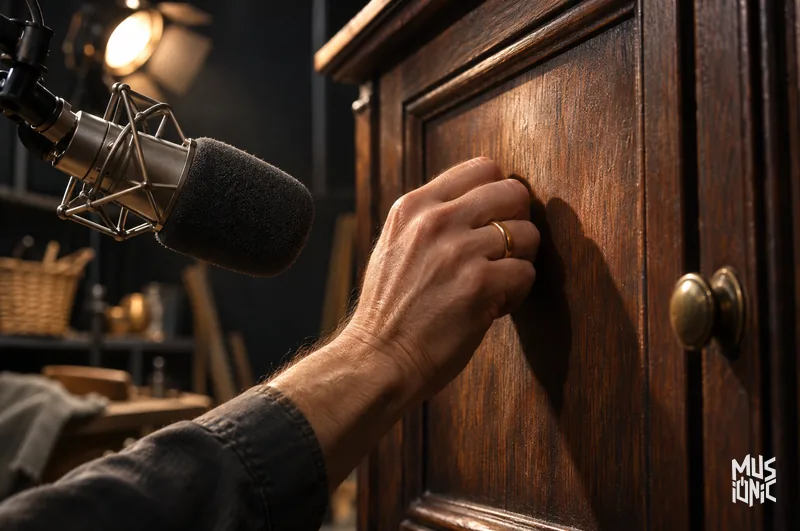
Netflix introduced its short sonic logo in the mid-2010s. It was designed by sound designer Lon Bender, an Academy Award winner for sound effects editing. In interviews, he has explained that the opening knock came from very ordinary material, including his wedding ring tapping on a wooden cabinet, layered with other designed sounds.
Netflix later commissioned a longer, orchestral version from composer Hans Zimmer for cinemas, and even named its global fan event "Tudum". The short version, though, is the one people know. It is a good reminder that a sonic logo is less about size and more about a perfect fit with a moment.
● Sonic identity · 02/04
Seven rules for a sonic logo people remember
- Keep it short. One to four seconds. If it needs more time, it is a theme, not a logo.
- Make it simple. Two to five notes or sound events. Simple rhythms (like short-short-long) are easier to recall than complex melodies.
- Be distinct. Listen to your competitors first. If your logo could belong to them, start again.
- Sound like the brand. Warm or sharp, playful or serious, acoustic or electronic: every choice says something.
- Own a moment. "Ta-dum" plays right before a show starts. Find your moment: the end of every video, the opening of an event, the launch of your app.
- Test it on tiny speakers. Most people will hear it on a phone or a laptop. It has to survive that.
- Repeat it for years. Recognition comes from repetition. Changing your sonic logo every campaign throws that value away.
● Sonic identity · 03/04
Why real sounds work so well
Many strong sonic identities start with a real, physical sound: a knock, a click, a breath, a string, a drum. Real sounds carry texture and imperfection, which makes them feel human and helps them stand out from purely synthetic tones.
This is the craft of foley and sound design: recording everyday objects, then shaping, layering and mixing them until they feel like a signature. It is the same craft used in film, which is why sound designers who work on films are often well placed to design brand sounds.

● Sonic identity · 04/04
Your sonic logo is part of a family
A sonic logo rarely lives alone. The best ones are the shortest form of a larger sonic identity: a brand theme for longer videos, music for events, small sounds for apps and websites. When all of them share the same musical DNA, every touchpoint makes the logo stronger.
At Musionic Studio in Calgary, we design sonic logos and the sound around them, then use them in the films, event openings and content we produce, so your sound is heard consistently, in English, in French and everywhere in Canada.
people also ask…
Questions people ask
How long is the Netflix "ta-dum"?
The standard version lasts roughly two seconds, which is typical of strong sonic logos: short enough to play before every show without slowing anyone down.
Can a small brand have a sonic logo as strong as a big one?
Yes. Strength comes from simplicity, distinctiveness and repetition, not from budget. A small brand that uses its sonic logo consistently in every video and event will build recognition with its own audience.
Should a sonic logo have words?
Usually not. Without words, it works in any language, which is a real advantage for bilingual brands in Canada.
How do we test a sonic logo before launching it?
Play it at the end of real videos, on phone and laptop speakers, and in noisy places. Ask people to recall it a day later. If they can hum or describe it, you are close.